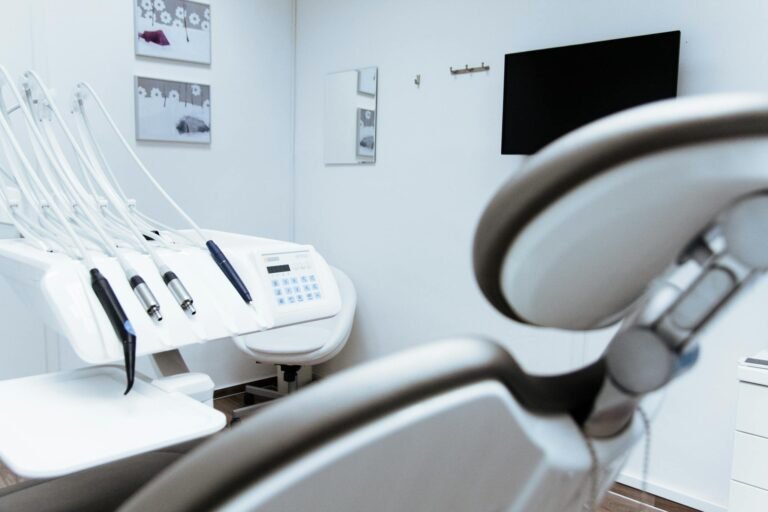

What Dental Offices Need to Watch for in 2026
As we head into 2026, the landscape of dental billing and revenue cycle management is evolving faster than ever. For dental office managers and DSO leaders, staying ahead is not just advantageous it’s essential for protecting your financial health, streamlining operations, and supporting team morale. Yesterday’s challenges complex insurance rules, claim denials, and administrative overhead are intensifying alongside emerging technologies and shifting payer expectations.
Success in the year ahead demands strategic focus on key areas: understanding coding and policy updates, embracing effective automation, and reinforcing the fundamentals of a clean claims process. Practices that proactively adapt are positioned not only to overcome hurdles, but to capitalize on new growth opportunities and strengthen profitability.
This article spotlights the trends your dental office should be monitoring in 2026. We’ll explore anticipated CDT code changes, the ongoing evolution of insurance plan designs, and the expanding role of AI in revolutionizing the revenue cycle. Most importantly, you’ll find actionable strategies to help reduce denials, optimize cash flow, and build a more resilient billing operation.

Key Trends Shaping Dental Billing in 2026
Several interrelated forces continue to reshape the dental industry. Payer policies drive technology adoption, while CDT updates necessitate ongoing process improvements. Staying informed is your first step toward effective adaptation. Below are the main trends to watch.
1. Annual CDT Code Updates and Payer Scrutiny
As in previous years, 2026 is expected to bring another round of updates to the Current Dental Terminology (CDT) codes. The overall trend continues toward greater specificity, more rigorous documentation, and increased payer scrutiny. Insurance carriers are leveraging these updates to further refine adjudication rules and place a premium on precise clinical evidence for payment of common procedures.
What to Watch For:
- New and Revised Codes: Anticipate updates related to diagnostics, minimally invasive procedures, and evolving treatment areas. Revised descriptors may shift usage of existing codes, requiring attention to detail.
- Increased Documentation Demands: Payers are increasingly requiring detailed narratives, intraoral photos, and specific radiographic evidence for certain procedures linked to new or revised codes. Claims approved with minimal documentation last year may need enhanced evidence to avoid denials in 2026.
- Automated Code Scrubbing by Payers: Insurers are expanding their use of advanced software to flag mismatched codes, sequencing errors, and services misaligned with plan limitations.
Strategy: Prepare your clinical and administrative teams for 2026 CDT updates as soon as the ADA releases them. Promptly refresh your practice management software and internal resources. Emphasize the necessity of clear, detailed clinical notes that accurately support each billed code.

2. The Evolution of Insurance Plan Designs
Dental insurance offerings are growing increasingly complex. To control costs and manage utilization, employers and payers are introducing plans with more intricate limitations, tiered networks, and nuanced benefit structures. Integrated or nontraditional benefit designs plans that route dental benefits through medical carriers or consolidated payers are becoming more prevalent and can create significant new challenges for billing teams.
What to Watch For:
- Narrower Networks: Patients may unknowingly be in networks with lower reimbursement rates or limited coverage at your practice, leading to unexpected out-of-pocket costs and dissatisfaction.
- Complex Limitations: Expect higher frequency limitations, longer waiting periods for major services, and “least expensive alternative treatment” (LEAT) clauses, which down-code procedures like crowns to less costly alternatives.
- Integrated Plan Confusion: Nontraditional plans may have distinct submission addresses, payer IDs, and adjudication rules, different from standard dental plans. Submitting to the wrong entity almost always results in denial.
Strategy: Implement a robust, real-time eligibility and benefits verification process. Ensure your front office staff can ask targeted questions about plan design and network participation. Flag patients with nonstandard plans so your billing team can apply extra due diligence before claim submission.
3. The Rise of AI and Intelligent Automation
A defining trend for 2026 is the mainstream adoption of AI-powered automation in revenue cycle management. No longer limited to basic claim scrubbing, today’s AI tools provide deeper predictive analysis, automated documentation prompts, and intelligent workflow routing that transform day-to-day billing.
What to Watch For:
- Predictive Denial Management: AI platforms now analyze your historical practice data alongside millions of payer-adjudicated claims to predict if a claim will be denied and why, before you ever submit. This enables proactive corrections and fewer follow-up headaches.
- Automated Attachment and Narrative Suggestions: Advanced solutions can scan clinical notes and treatment plans to suggest necessary attachments or draft payer-specific narratives, removing guesswork and speeding up compliance.
- Intelligent Task Routing: Rather than working aging reports manually, AI can triage outstanding claims, address simple follow-ups automatically, and route complex denials to your most skilled team members.
Strategy: Assess your current technology stack. If your team still relies on manual processes or spreadsheets, it’s time to consider AI-enhanced platforms such as EDiFi. The aim is to augment not replace your team, layering intelligence over your existing system to reduce manual errors and boost your clean claim rate.
Strategies to Fortify Your Revenue Cycle in 2026
Trend awareness matters most when backed by clear action. Leverage the coming months to implement these strategies and set your practice up for 2026 success.
Reinforce Your Front-End Processes
The front office remains the first line of defense against denials. Even small errors during patient registration can ripple throughout the revenue cycle, causing payment delays or write-offs.
- Mandate Same-Day Eligibility Checks: Confirm insurance for every patient on the day of their visit. Coverage can change unexpectedly; automated batch verification can streamline this routine for scheduled appointments.
- Create a Data Integrity Checklist: Enforce strict protocols for collecting and verifying patient details full name, date of birth, subscriber info, and insurance ID. Even minor errors can result in instant rejection.
Build a Closed-Loop Workflow
Disconnected teams are a frequent source of dirty claims. Information should flow seamlessly from clinical to the front office, all the way to billing.
- Standardize Clinical Documentation: Partner with clinical teams to ensure chart notes are complete and support the services rendered. This is crucial for successfully appealing clinically-based denials.
- Implement a Pre-Submission Review: Designate a person or automated tool to complete a final check before submitting claims: Are all necessary attachments included? Are codes sequenced correctly? Is provider info accurate? This simple review prevents weeks of costly follow-up.
Leverage Technology to Empower Your Team
Memorizing every payer rule leads straight to staff burnout. Your system should make compliance the path of least resistance.
- Adopt AI-Powered Claim Scrubbing: Invest in platforms that validate claims against up-to-date payer rules before submission. This robust safety net can catch even subtle errors missed by experienced billers.
- Automate Routine Follow-Up: Delegate routine claim status checks to technology, enabling your team to concentrate on complex denials that require expert judgment.

A Mindset Shift: From Reactive to Proactive
For years, dental billing has been a reactive game of chasing denied claims. The trends emerging for 2026 call for a shift toward proactive, system-driven processes that prioritize clean claims from the outset. The most efficient and profitable practices are expected to be those that prevent denials rather than just managing appeals effectively.
This evolution isn’t about replacing skilled staff with machines; it’s about equipping your team with tools that eliminate administrative friction and empower everyone to work to their strengths. Prioritizing data integrity, integrated workflows, and smart automation positions your revenue cycle to drive profitability and ensure long-term growth.
Prepare your practice for 2026 not by bracing for new challenges, but by embracing the opportunity to build a smarter, more resilient, and highly efficient operation.